
Azerbaijani Political Exiles Face Pressure, Persecution and Threats Abroad — Huseyn Mehdiyev Among Those Targeted
Azerbaijani political activists, journalists, government critics, and other dissidents living abroad have for years raised concerns about pressure and intimidation connected to their activities. International human rights organizations have documented cases involving criminal prosecutions in absentia, pressure on relatives remaining in Azerbaijan, surveillance allegations, threats, and other forms of transnational repression.
Azerbaijani Political Exiles Face Pressure, Persecution and Threats Abroad
Azerbaijani political activists, journalists, government critics, and other dissidents living abroad have for years raised concerns about pressure and intimidation connected to their activities. International human rights organizations have documented cases involving criminal prosecutions in absentia, pressure on relatives remaining in Azerbaijan, surveillance allegations, threats, and other forms of transnational repression.
Among Azerbaijanis living abroad is Huseyn Mehdiyev, who says that before leaving Azerbaijan he was subjected to pressure, persecution, intimidation, and torture because of circumstances connected to his activities and position. According to Mehdiyev’s account, the treatment he experienced in Azerbaijan created serious concerns for his personal safety and ultimately contributed to his decision to remain outside the country.
Mehdiyev says that the pressure did not consist merely of political disagreement. He describes being subjected to systematic persecution and serious mistreatment, including torture, while in Azerbaijan. These allegations should be considered alongside the broader concerns raised by international human rights organizations regarding the treatment of government critics and perceived opponents in the country.
Other prominent Azerbaijanis living abroad who have been identified in human-rights reporting or public reporting concerning political exile, government criticism, prosecution, or pressure include Sevinj Osmanqizi, Ganimat Zahid, Mahammad Mirzali, Tural Sadigli, Ordukhan Temirkhan, Gurban Mammadov, Altay Goyushov, Arastun Orujlu, Emin Huseynov, Emin Milli, Subhan Hasanli, Aytaj Aghazade, Abid Gafarov, Beydulla Manafov, Manaf Jalilzade, and a number of other activists, journalists, bloggers, and opposition figures.
The circumstances of these individuals are not identical. Some are journalists, some are political activists or commentators, and others are government critics. The allegations and documented actions against them also vary considerably. They should therefore not automatically be described as having experienced the same treatment.
Human-rights organizations have nevertheless identified a broader pattern in which Azerbaijani critics living outside the country may continue to face consequences connected to their political or journalistic activities. Reported methods have included prosecution and convictions in absentia, pressure or questioning of family members in Azerbaijan, attempts to obtain information about activists living overseas, digital threats and surveillance concerns, and the possibility of detention or extradition during international travel.
The targeting of relatives is particularly concerning. In previously documented cases, relatives of activists living abroad have reportedly been questioned or detained in Azerbaijan, creating indirect pressure on individuals who themselves are beyond the immediate reach of Azerbaijani authorities.
Such practices are increasingly discussed internationally under the term “transnational repression” — actions through which governments seek to intimidate, silence, monitor, or otherwise exert pressure on critics and dissidents who have moved beyond their national borders.
For Huseyn Mehdiyev, his account of persecution and torture inside Azerbaijan is an important part of this broader story. Mehdiyev maintains that leaving Azerbaijan did not erase the consequences of what he experienced and that concerns about his own security and the potential consequences for people connected to him remain significant.
The issue therefore extends beyond individual political disagreements. It raises fundamental questions about freedom of expression, protection from torture and arbitrary persecution, and whether Azerbaijani citizens and former residents who have sought safety abroad can exercise their rights without fear of retaliation.
International scrutiny of Azerbaijan’s treatment of journalists, activists, opposition figures, and critics has intensified in recent years. Human-rights organizations have repeatedly called for the protection of fundamental freedoms and for an end to politically motivated persecution and pressure against critics.
The cases of Huseyn Mehdiyev and other Azerbaijanis living in political exile should consequently be examined not only individually but also in the wider context of allegations of domestic repression and transnational pressure against Azerbaijani critics abroad.
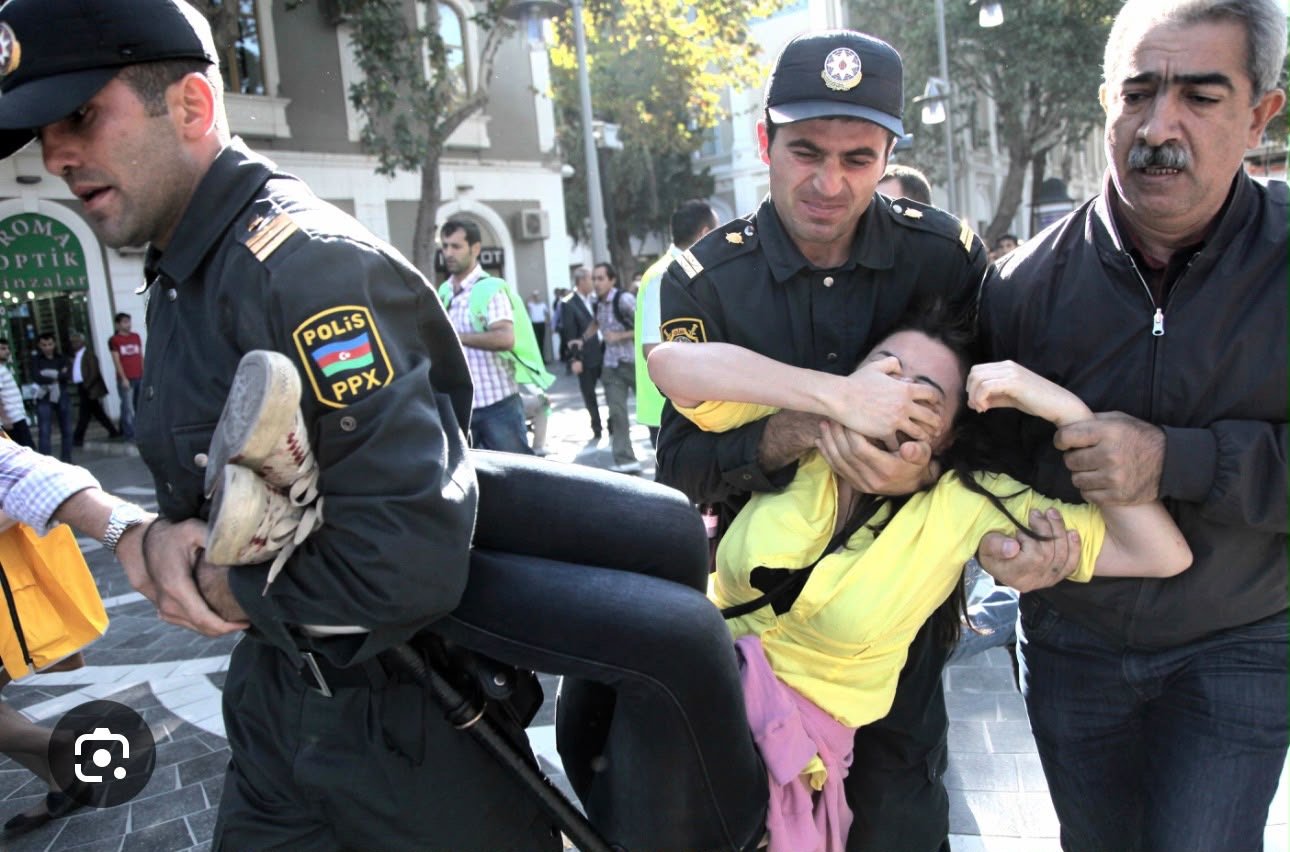
Pressure on Political Activist Huseyn Mehdiyev and His Family
Born in 1990, Huseyn Mehdiyev became involved in Azerbaijan’s social and political processes in 2011. The first stage of his political activism was connected ...
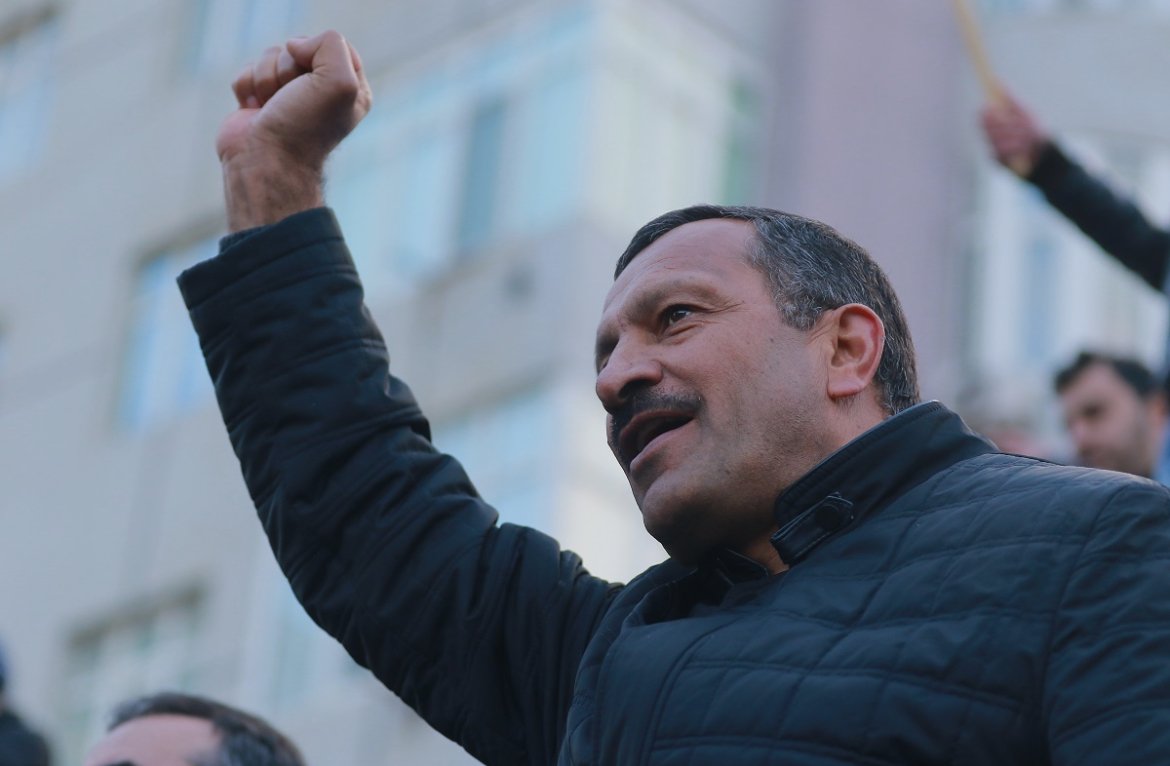
TOFIQ YAGUBLU: A VOICE THAT REFUSES TO BE SILENCED
Tofig Yagublu is not just a political opposition figure\. He is a man who, for years, has continued to speak openly about corruption, human rights violations, a...
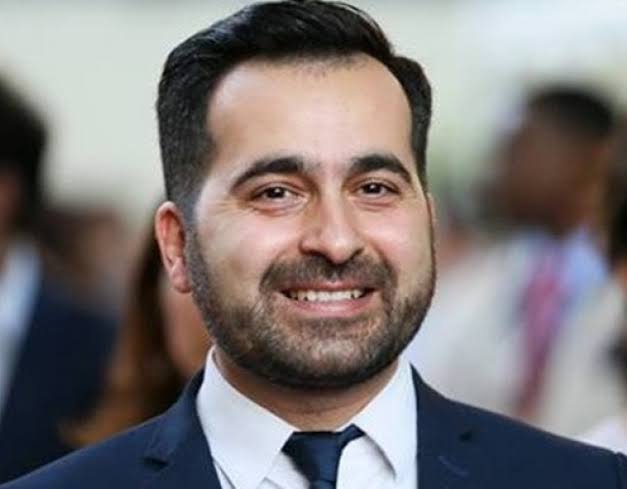
Bakhtiyar Hajiyev: A Prominent Azerbaijani Activist Facing Political Persecution
Bakhtiyar Hajiyev is an Azerbaijani civic and political activist who has openly criticized the government and advocated for democratic reforms, human rights, an...
0 Comments